

A fascinator is one of those accessories that can make an outfit feel instantly intentional. It is smaller than a traditional hat, more expressive than a simple hair clip, and wonderfully flexible for weddings, tea parties, milestone birthdays, derby gatherings, performances, and costume moments. The only tricky part is that it does not come with a universal instruction label. A piece can be delicate, dramatic, playful, or elegant, and the best placement depends on the shape of the design and the person wearing it.
The good news: learning how to wear a fascinator is much simpler than it looks. Start with comfort, give the design a clear angle, and let the rest of the outfit support the moment instead of competing with it. This guide walks through the small choices that make a fascinator look secure and natural from the first photo to the last dance.
What Is a Fascinator?
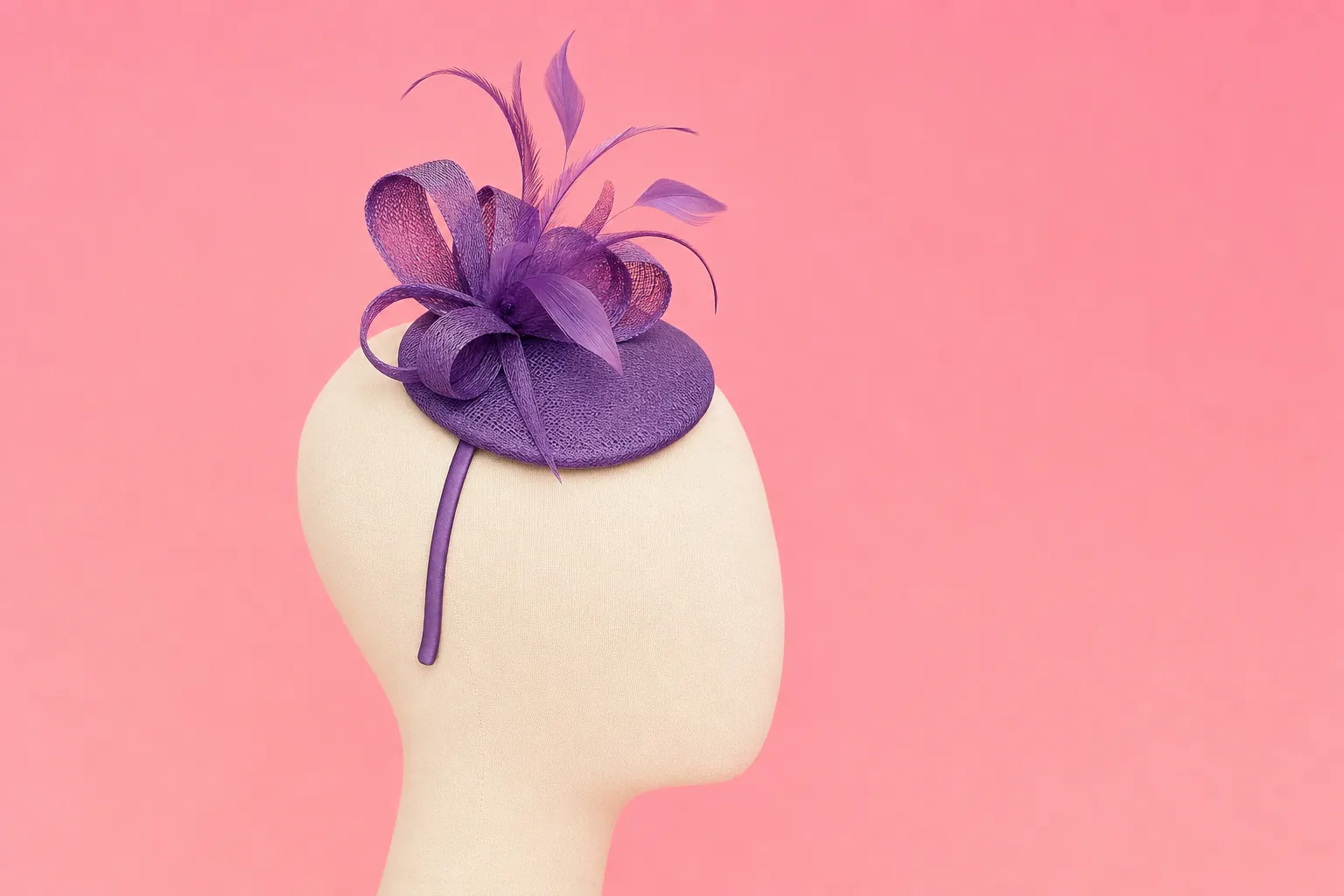
A fascinator is a decorative headpiece designed to sit lightly on the head rather than cover it completely. It may be attached to a slim headband, a comb, a clip, or a small base. The details are where the fun begins: ribbon loops, flowers, feathers, netting, bows, beads, and sculptural shapes can all be part of the design.
Fascinators are especially useful when a full hat feels too large for the occasion. They still create a focal point near the face, but they leave the hairstyle visible and feel easier to wear indoors. That is why they work so well for special events with eating, hugging, dancing, and plenty of pictures. Formal events often make room for both hats and fascinators. For example, Ascot’s dress guidance includes them among the traditional headwear options, while the Kentucky Derby’s fashion guide treats statement headwear as part of the day’s celebration.
For a playful take, explore Boopies Closet’s mini hats and fascinators. They are made for the same joyful effect, whether the plan is a fancy brunch, a themed party, a photo shoot, or a beautifully specific costume idea.
Start With the Right Base
Before thinking about angles, check how the piece is made to attach. A headband is usually the easiest option for a first-time wearer because it spreads the weight across the head and stays put through normal movement. A comb works well when the hair has enough texture for it to grip. Clips can be great for lighter pieces and for styles where you want the fascinator to sit very close to the hairline.
Try the attachment at home before the event. If it pinches after a few minutes, it will not improve after several hours. A headband should feel snug but not tight. A comb should slide in far enough to catch hair, then settle without pulling. If a design has a larger feather spray or a taller shape, a headband or comb usually gives it better balance than a single clip.
Hair does not need to be complicated. Soft waves, a smooth ponytail, a low bun, and a simple half-up style all provide a lovely foundation. Very freshly washed, silky hair can be slippery, so a light texture spray or a little backcombing where the comb will sit can make a big difference. The goal is not to create a helmet. It is simply to give the attachment something steady to hold.
Choose a Side, Then Choose an Angle
There is no rule that says a fascinator must go on one particular side. The best side is usually the one that feels balanced with your hairstyle, part, and the shape of the headpiece. If your hair is swept heavily to one side, try the fascinator on the opposite side first. That gives the look breathing room. If your hair is center-parted or pulled back, either side can work, so let the design lead.
Placement matters more than left versus right. A good starting point is just above one eyebrow, with the base resting near the upper side of the head. Tilt it slightly forward or outward so the design can be seen from the front. If it sits too far back, the prettiest details disappear in photos. If it sits too low on the forehead, it can feel costume-like or block your line of sight.
Stand in front of a mirror and turn your head both directions. Check the front, three-quarter view, and profile. A fascinator should look like it belongs to the whole outfit, not like it accidentally landed there. If the piece has a sweeping feather or bow, point the movement upward or outward rather than straight across the face.
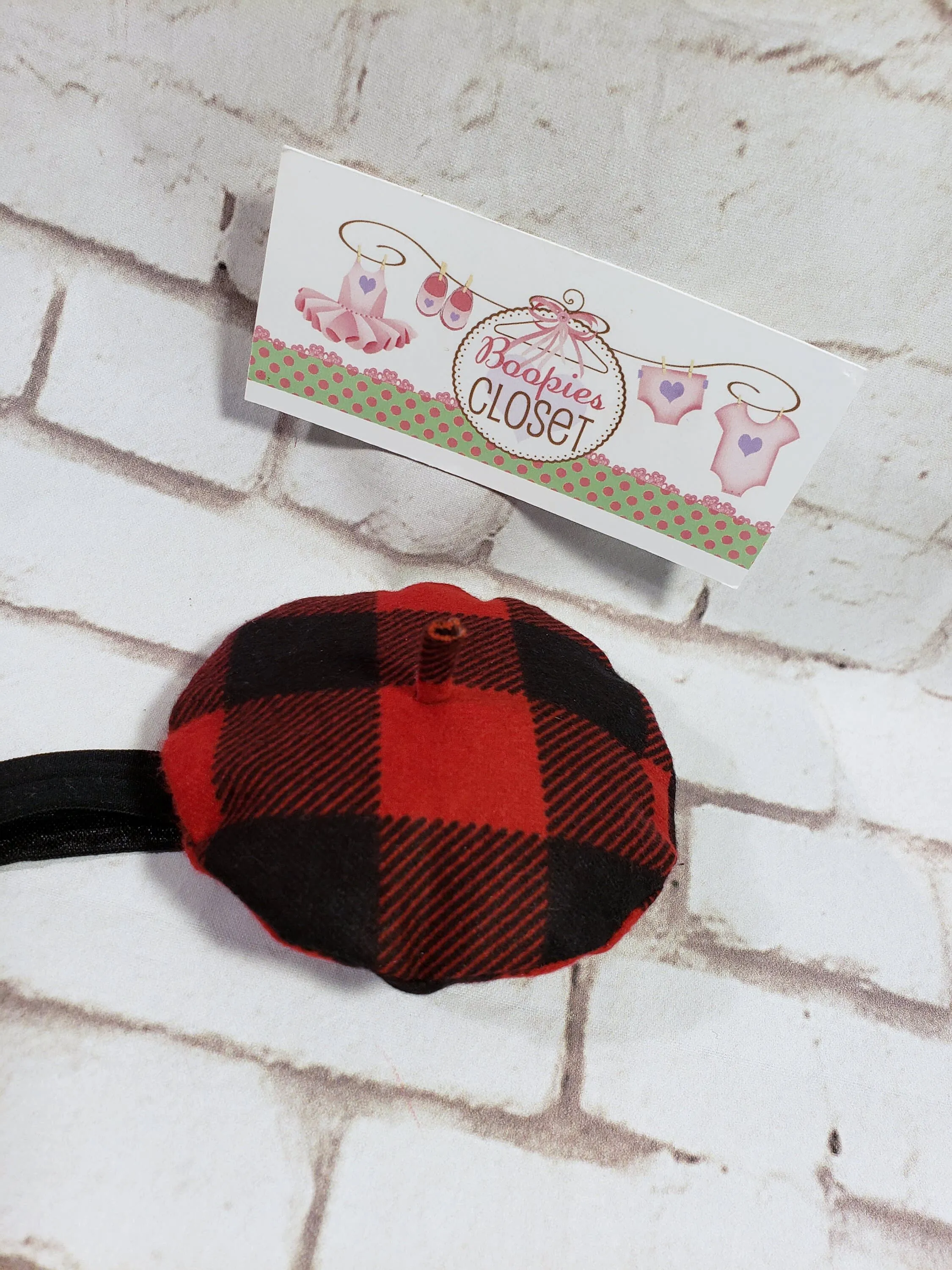
For a mini top hat or a more theatrical piece, you can be a little bolder with the angle. A jaunty tilt is part of the charm. Boopies Closet’s Beret Mini Hat is a good example of a small shape that looks polished when worn with a confident slant.
Keep the Fascinator Secure Without Making It Uncomfortable
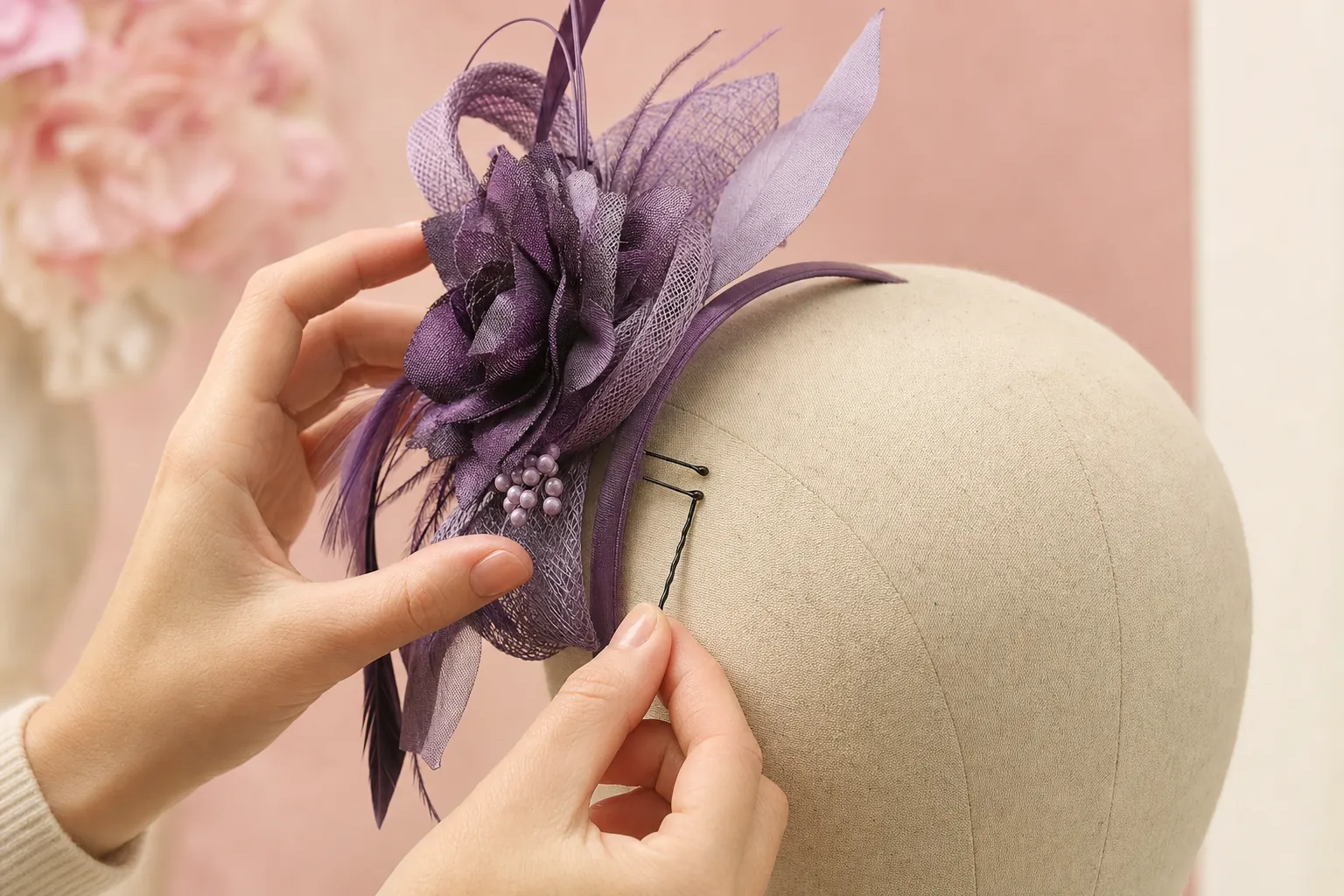
Once the placement looks right, move your head gently: look down, look to each side, smile, and give a small shake. If the piece slides, secure the attachment before leaving home. With a headband, you can use one or two bobby pins behind the ears to anchor it to the hair. Choose pins close to your hair color so they disappear. With a comb, slide it into the hair in the opposite direction from where the design will pull, then settle it back into place.
Do not over-pin. Too many pins can make a lightweight piece feel heavy and can bend a delicate design. One well-placed pin on each side of a headband is often enough. For a clip, place it over a small section of hair that has been lightly twisted or texturized. That gives the clip something firmer to grab.
Pack a tiny emergency kit for a long event: two spare bobby pins, a small hair tie, and a compact mirror. It takes almost no room in a clutch, and it can rescue a windy outdoor ceremony or a long day of dancing. Comfort is part of style. If you forget you are wearing the fascinator, you have probably got the fit right.
Balance the Fascinator With Your Outfit
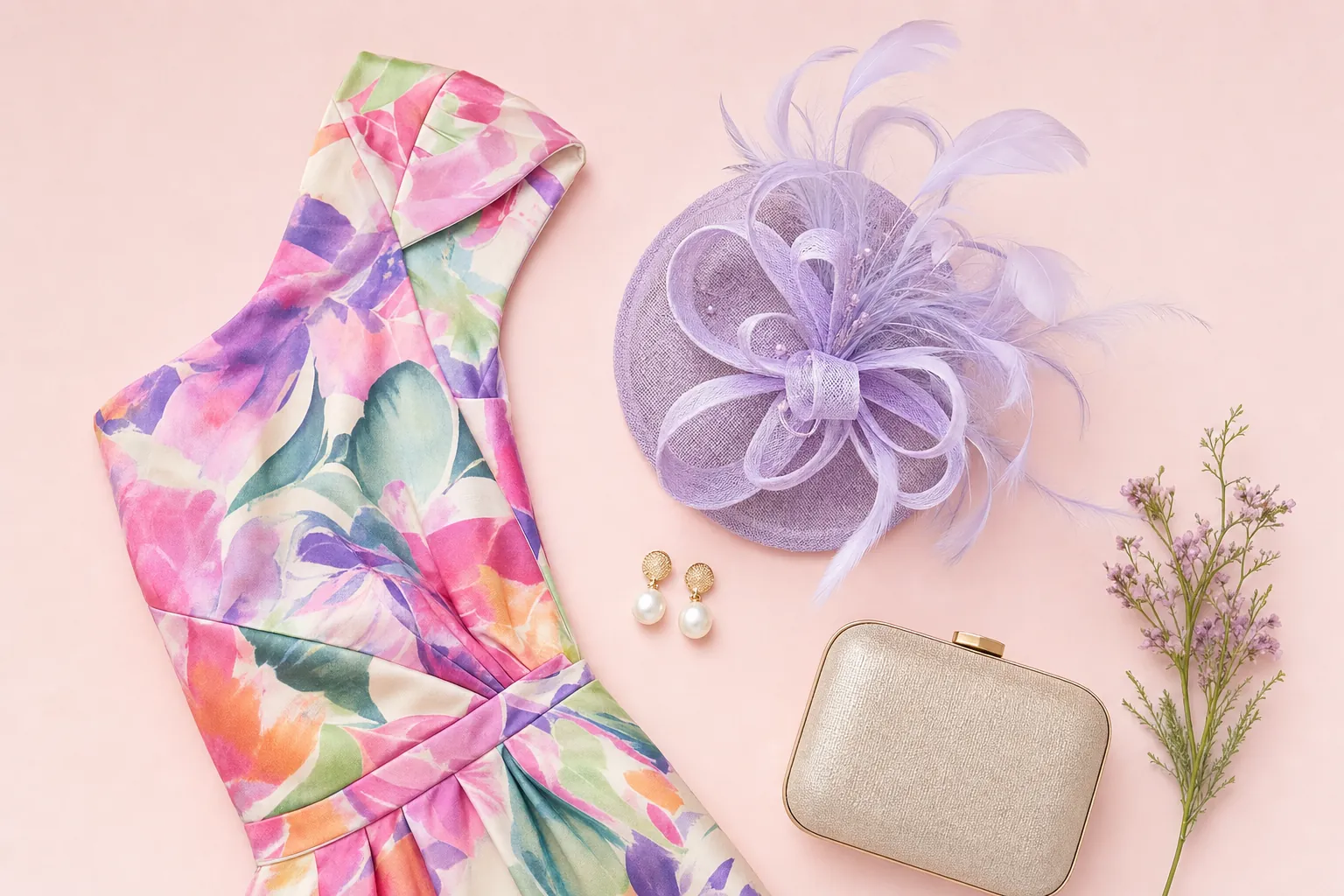
A fascinator does not have to match every detail of an outfit exactly. In fact, a perfect head-to-toe color match can sometimes look a little flat. Instead, choose one color from the dress, shoes, bag, or jewelry and let the headpiece echo it. A lavender fascinator can pick up a small flower in a print. A black piece can connect to shoes or a clutch. A bright lime accent can be the one surprising color that makes a simple outfit feel festive.
Think about scale, too. A delicate dress or a clean jumpsuit can carry a sculptural fascinator beautifully. If the outfit already has ruffles, oversized sleeves, sequins, or a very busy print, choose a headpiece with a simpler shape or a single strong color. Let one item be the star and let the rest be its supporting cast.
Jewelry should not fight the fascinator for attention. Small earrings, a slim bracelet, or one statement ring are usually enough. If your fascinator has feathers or netting near the face, skip a large necklace and keep the neckline clean. When the goal is a photo-ready look, a little editing goes a long way.
Match the Style to the Occasion
For weddings, brunches, tea parties, and daytime celebrations, lighter colors, flowers, soft bows, and small feather details feel easy and celebratory. For a derby party or a dressier evening event, you can go bigger with a wider base, richer color, or a more dramatic sweep. For performances and costumes, the only real rule is that the headpiece should stay secure while you move.
Consider the setting before choosing the size. An outdoor event may call for a lower, more secure design that will not catch every breeze. A crowded indoor party can be more comfortable with a piece that rises upward rather than spreading wide. If you will be sitting in a theater or restaurant, make sure the tallest part of the fascinator will not make it awkward to lean back or turn your head.
Mini hats are especially fun for themed occasions because they bring a character to life without requiring a complete costume. Boopies Closet makes designs for birthdays, holidays, dance, pets, photos, and themes that do not fit neatly into a box. That handmade flexibility is the point.
When a Custom Design Makes Sense
Sometimes you find the right color but not the right shape. Sometimes the outfit has a very specific fabric, a group has a theme, or you need a headpiece that works with a particular hairstyle or mounting preference. That is where a custom design is worth considering.
Bring a photo of the outfit, the event date, the colors you want to pull out, and any practical needs such as a headband, clip, or elastic. Boopies Closet can help turn those details into a piece that feels personal rather than generic. Start the conversation through custom orders, especially when you have an outfit or event idea that needs a little more imagination.
A Quick Fascinator Checklist
- Try it on before the event, not five minutes before you leave.
- Place it just above an eyebrow and tilt it slightly so the design shows from the front.
- Choose the side that balances your hairstyle and feels comfortable.
- Use one or two discreet pins when extra hold is needed.
- Echo a color from your outfit instead of matching every accessory.
- Make sure you can sit, hug, eat, dance, and turn your head without fussing with it.
Take one test photo before you leave, too. Phone cameras are excellent at showing whether the headpiece disappears against your hair, sits too far back, or competes with a busy neckline. A quick photo from straight on and one from the side is often more useful than a long mirror session. Make a small adjustment, then stop fussing. Step into daylight if the event is outdoors, because bright light is the fastest way to spot loose feathers or an attachment that needs a small correction. The whole purpose of a fascinator is to add delight, not another job to manage during the event.
The best fascinator is not the one with the most feathers or the biggest bow. It is the one that makes you feel a little more like yourself, only more ready for the occasion. Give it the right angle, secure it comfortably, and then let it do what a great little headpiece does best: make the whole look feel special.
Questions, Answered
Which side should I wear a fascinator on?
Either side can work. Start with the side that balances your hairstyle, then angle the piece just above an eyebrow so it is visible from the front. The best placement is the one that feels comfortable and lets the design sit naturally.
How do I stop a fascinator from slipping?
Use the attachment it was designed with first, then add one or two discreet bobby pins if needed. A little texture spray or gentle backcombing beneath a comb or clip can help very smooth hair hold the piece more securely.
Can I wear a fascinator with short hair?
Yes. A slim headband or a well-placed clip works beautifully with short hair. Keep the base light, place it near the hairline, and choose a design that rises upward instead of spreading too wide.
What is the difference between a fascinator and a hat?
A fascinator is a smaller decorative headpiece that sits lightly on the head, often on a headband, clip, comb, or small base. A traditional hat has a fuller crown or brim and covers more of the head.
Related posts
Fascinator Hairstyles That Keep the Focus on You
Easy fascinator hairstyles for short, medium, and long hair, plus simple ways to make a headpiece feel secure, comfortable, and photo-ready.
Beret Headband Ideas for Parties, Photos & More
Choose a beret headband that feels playful, sits comfortably, and gives a party, photo, or costume outfit a polished finishing touch.

Mini Top Hat Costume Ideas for Every Big Entrance
Plan a mini top hat costume with clear character ideas, smart color choices, and comfortable finishing details for parties, performances, and photos.