
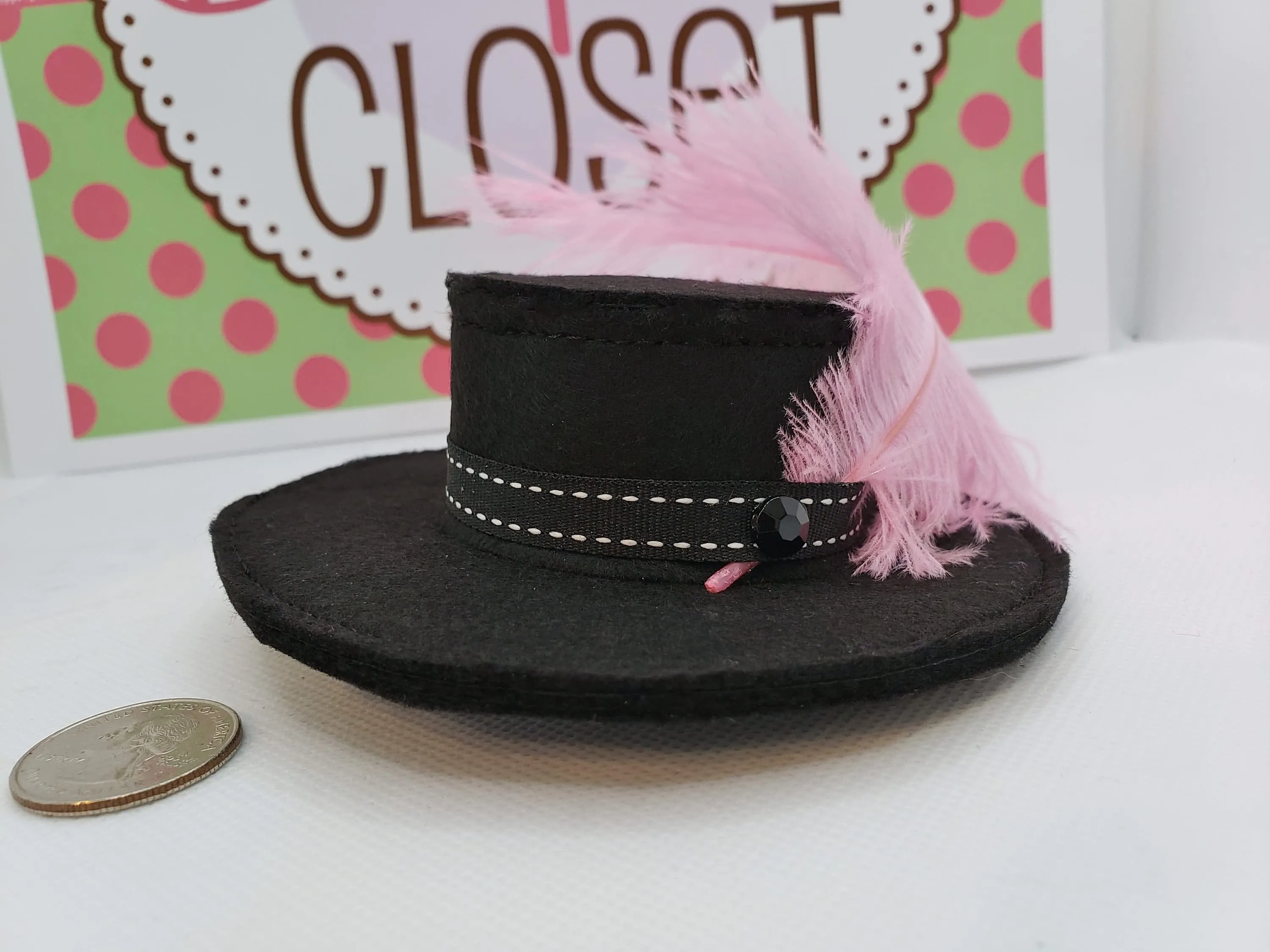
A cavalier hat with a feather has a useful bit of costume magic: it makes the character clear before anyone says a word. The curved brim, ribbon, and plume immediately suggest adventure, theater, a courtly celebration, or a storybook entrance. The good news is that the rest of the outfit does not need to work nearly as hard. A simple shirt, dress, vest, cape, or sash can become a complete look when the hat gives it a strong silhouette.
The best version is not the biggest or busiest one. It is the one that suits the wearer, stays comfortable through the event, and helps the character read in person and in photos. Start with the occasion, decide which part of the story the feathered hat should tell, and use the outfit to support that idea. This guide walks through the choices that make the little details feel intentional.
Choose the Character Before Choosing Every Accessory
“Cavalier” can mean several things on a costume invitation. It might mean a swashbuckling adventurer, a royal court look, a Renaissance-inspired character, a musketeer-style party outfit, or a theatrical figure with a little extra confidence. Pick one direction before collecting accessories. That keeps the costume from turning into a mixture of unrelated good ideas.
For an adventurous look, begin with a loose white shirt, dark trousers or skirt, boots, and one sash. A feathered cavalier hat becomes the finishing detail that gives the outfit its motion. For a more courtly costume, add richer fabric, a velvet-like vest, lace at the sleeve, or jewel-tone colour. For a school performance, simplify: a clean base outfit, one or two colors, and a hat that can be seen from the audience are usually more effective than lots of small props.
Let one word guide the choices: bold, romantic, playful, regal, or mischievous. If a ribbon, plume, or cape does not support that word, it can stay in the costume box. A clear character is easier to wear, easier to photograph, and much more memorable.
Use Color to Make the Feathered Hat Belong to the Outfit
A black cavalier hat is wonderfully flexible because the plume and ribbon can set the mood. Deep red feels dramatic and stage-ready. Forest green can lean toward a storybook woodland character. Burgundy, navy, purple, or gold can make the costume feel more royal or romantic. The important thing is not matching every piece exactly. Repeat one colour in two places, such as the hat ribbon and sash, the plume and cape lining, or the vest trim and a small hair ribbon.
Too many competing colors can make a small hat disappear into the costume. Choose a base neutral, then one leading accent and perhaps one quieter supporting shade. For example, black, cream, and red is strong and easy to read from a distance. Navy, white, and silver feels polished. Brown, ivory, and green works for a softer, outdoorsy character. Hold the feathered hat up beside the outfit in daylight before the event. That simple check reveals whether the plume needs contrast or whether the look already has the right balance.
If the outfit has a busy print, let the hat be simpler. If the clothing is plain, the plume and ribbon can do more of the visual work. The goal is a costume with one clear focal point, not an accessory competing with everything around it.
Place the Hat So the Face and Feather Both Show
A mini cavalier hat usually looks best with a slight angle, just above one eyebrow or a little toward the side. That lets the brim frame the face rather than cover it, and it gives the feather room to lift away from the head. Put it on, look straight ahead, then take one photo from the front and one from each side. A mirror can make a hat look centered even when the most interesting detail has vanished from the camera view.
Make the placement suit the hairstyle and the event. A clip can work beautifully when there is enough hair to grip. A headband can be a steadier choice for an active party, a performer who will move a lot, or a child who does not want to think about the hat. Elastic can be useful when a close fit matters. The individual cavalier hat collection explains the starting options, and a custom request can account for the wearer and the occasion.
Do a small movement test before leaving. Look down, turn both ways, sit, stand, and give a careful hug. If the hat shifts, change the attachment or placement now. One well-positioned hat feels effortless. A hat that needs checking every few minutes takes the fun out of the costume.
Build an Outfit Around the Hat, Not Around a Costume Catalogue
Most successful cavalier costumes begin with clothing that is already comfortable. A white blouse or shirt, simple black trousers, leggings, a skirt, or a plain dress can provide the base. Add one directional layer, such as a vest, short cape, sash, or belt. The feathered hat then tells the viewer how to read those pieces together. This approach works especially well for school spirit days, themed birthdays, family photos, and small theater productions where everyone needs to move freely.
For a swashbuckling look, use a loose shirt, boots, a sash, and the hat at a jaunty angle. For a courtly character, use a richer color palette, softer fabric, and a more upright plume. For a playful party look, keep the outfit simple and let a bright ribbon or feather be the big gesture. A mini hat can also work for a group: repeat the same hat shape across a cast or family while varying the ribbon color so each character stays distinct.
Skip anything that fights the hat for attention. A huge collar, very tall hairstyle, or oversized shoulder piece can crowd the silhouette. The feathered hat should look like the final flourish, not an object trying to find space.
Make It Work for Theater, Parties, and Portraits
For theater, clarity and security come first. Test the complete costume under the kind of lighting the performer will use, if possible. A deep feather may need a lighter shirt or a brighter ribbon behind it to be visible from a distance. Keep the brim high enough that it does not interfere with sightlines. If several performers wear similar hats, agree on a shared color or plume direction so the group looks intentional while each character keeps their own personality.
For a party, comfort matters more than historical perfection. A mini hat is a lovely answer when a full-size hat would be warm, awkward at the table, or difficult to keep on through games. Give the wearer one small place to put it if it needs to come off, and keep a couple of simple hair pins or an elastic nearby for a long event.
For portraits, choose the angle before the first photo. Turn the wearer slightly toward the side where the feather lifts, then make sure the eyes remain visible. The brim and plume create a natural line through the picture, so there is no need for lots of props. A simple background and a little space around the hat will make the costume feel more considered.
Small Details That Make the Costume Look Finished
A feathered cavalier hat already gives the outfit a strong silhouette, so the finishing pieces can stay simple. Choose one texture that feels right for the character: a smooth ribbon sash, a little lace at the sleeve, a soft velvet-like vest, a leather-look belt, or a small brooch. Two or three thoughtful details are enough. Adding every possible period-inspired piece can make a mini hat feel lost rather than special.
Think about the scale of the wearer, too. On a child, a smaller sash or short cape may look more natural than a heavy layer. On an adult, a simple collar or shoulder detail can repeat the hat’s color without adding bulk. For a pet portrait, the mini hat can be the main costume piece, paired with a light bandana or bow that will not compete with the feather. The outfit should leave everyone able to sit, breathe, and enjoy the day.
If you are dressing a group, choose one shared visual rule instead of making everyone identical. Perhaps every hat has a plume, every costume repeats navy, or each person has a different jewel-toned ribbon. That creates a collected, theatrical look in photographs while leaving space for individual characters. It is especially useful for a family costume, a cast, or a party crew where different ages and comfort needs matter.
Finally, give the costume a test run in ordinary life. Walk across the room, sit at a table, lift a bag, and look at a phone camera. A detail that is lovely in a still mirror but uncomfortable in motion is not doing its job. The most polished costumes are rarely the ones with the most pieces. They are the ones where every piece has a reason to be there.
When a Custom Cavalier Hat Is the Better Choice
A ready-made feathered hat is a great fit when the colors and shape already match the idea. Custom is worth considering when the costume has a specific palette, the wearer needs a particular attachment, a group needs coordinated pieces, or the character calls for an unusual trim. An outfit photo, invitation, colour swatch, and event date are genuinely useful details. They give the maker a clear starting point and prevent a beautiful hat from arriving with the wrong visual job.
Boopies Closet makes handmade mini hats for the wonderfully specific occasions that are hard to shop for in a hurry. Start with the Cavalier Hat with Plume when the classic shape fits, or use a custom mini hat request when your color, character, or group has its own story. A small hat can carry a surprising amount of personality when it is made around the moment.
A Quick Before-You-Leave Check
- Make sure the brim leaves the wearer’s face and vision clear.
- Repeat one hat color somewhere else in the outfit.
- Check the feather from the front and both sides in a quick phone photo.
- Test the attachment while walking, sitting, and turning the head.
- Choose comfort over a detail that only works when the wearer stands still.
Once those details are settled, the costume is ready to do what it should do: help someone step into a character and enjoy the occasion. The feathered hat is the flourish. The confidence comes from knowing it fits the wearer and the story. Keep one quick photo from the fitting, too. It makes it easy to recreate the best angle when the event day becomes busy, especially if different family members help with costume changes.
Questions, Answered
What do you wear with a cavalier hat with a feather?
Start with a comfortable base such as a loose shirt or blouse, plain trousers, a skirt, or a simple dress. Add one supporting detail such as a sash, vest, short cape, or boots, then let the feathered hat set the character’s mood.
How should a cavalier hat with a feather sit?
A slight angle above one eyebrow usually shows both the face and the plume well. Test the hat in a front-facing phone photo, then adjust it until the brim frames the face without blocking vision.
Can a mini cavalier hat work for a child or performer?
Yes. Choose an attachment that suits the wearer and how active the event will be, then test it with the real hairstyle and costume before the event. A comfortable, secure fit is more useful than a fussy one.
Can Boopies Closet make a custom feathered cavalier hat?
Yes. A custom request can include the costume photo, event date, colours, group details, and how the hat will be worn. That helps create a mini hat that feels made for the character and occasion.
Related posts

Mini Top Hat Costume Ideas for Every Big Entrance
Plan a mini top hat costume with clear character ideas, smart color choices, and comfortable finishing details for parties, performances, and photos.

Mini Hats for Halloween Costumes: 8 Easy Ideas
Eight playful Halloween costume ideas that start with a mini hat, plus easy tips for color, comfort, and a look that photographs beautifully.

How to Choose a Mini Hat for a Costume Party
A practical guide to choosing a mini hat that suits the costume, stays comfortable, and looks great in every photo.